How to Get Rid of Dark Spots on Your Face?

Have you ever struggled with those red, pink, brown acne marks, sunspots, or freckles, and wondered how to fade them away?
Dark spots are common, and fading them takes a lot of effort and time; there’s no quick fix for it. The key to getting rid of those unwanted stubborn spots is knowing the type of dark marks on your face, what’s causing them, and selecting the right skincare products formulated with specific targeted ingredients. To fade dark spots on your face, do not rush to heavy chemicals or retinoids immediately; instead, understand the reason behind them and use natural and gentle over-the-counter products to start with.
Suddenly jumping onto harsh and strong chemicals may irritate the skin and worsen the situation. A gentle and consistent skincare routine can be a saviour from these spots. Let’s first understand the causes of these marks so that it will be easy to choose the right products for your skin.
What Causes Dark Spots on Your Face? Let's Find Out
The main cause of dark spots or hyperpigmentation is an overproduction of melanin in the skin. Melanin gives skin its color. When pigment-producing cells become overactive, they group together in a specific area of skin to form dark patches. Here are the main causes of dark spots on your face.
1. Sun Exposure
When you spend a lot of time under the sun, your skin starts producing melanin to protect you from UVA/B radiations. Chronic sun exposure leads to a cluster of these pigments at a specific location on the skin as sun spots.
2. Skin Inflammation
If your skin undergoes inflammation through acne, breakouts, eczema flares, cuts, or burns, it will lead to post-inflammatory hyperpigmentation. Within a time, the skin heals itself, you may see the acne, breakouts go away with time, but leaves dark marks behind.
3. Ageing
With ageing, skin starts losing its elasticity, with the pigment distribution becoming less controlled, so the aging skin is more prone to dark patches.
4. Hormonal Changes
The changes in hormones in the body can also lead to dark spots on your skin. These dark patches are very stubborn and difficult to fade, as they are controlled by hormones.
Different Dark Spots, Different Solutions: What Works Best?
Some dark spots will fade out over time as the skin renews itself, while others may last for months and/or darken over time if the skin is continually exposed to the sun. However, with a proper selection of formulations and skincare habits, one can enhance their appearance without unnecessarily irritating the skin.
Acne Marks
Waking up with acne on your face is a daunting experience. Many of us try to pick them up, so get that smooth skin back. But unfortunately, when we pick the acne, it leaves a mark behind it. And this acne mark takes a long time to fade away naturally, as part of the skin healing process.
After getting those acne marks, the first instinct we have always got is, how to get rid of these dark spots? So, to treat them, choose ingredients that specifically work on acne marks, including Niacinamide and Centella Asiatica (Cica) .
- Niacinamide manages breakouts and helps with post-inflammatory hyperpigmentation.
- Centella Asiatica (Cica) acts as a refreshing agent on acne-prone skin, as it manages breakouts and protects the skin barrier from environmental stressors.
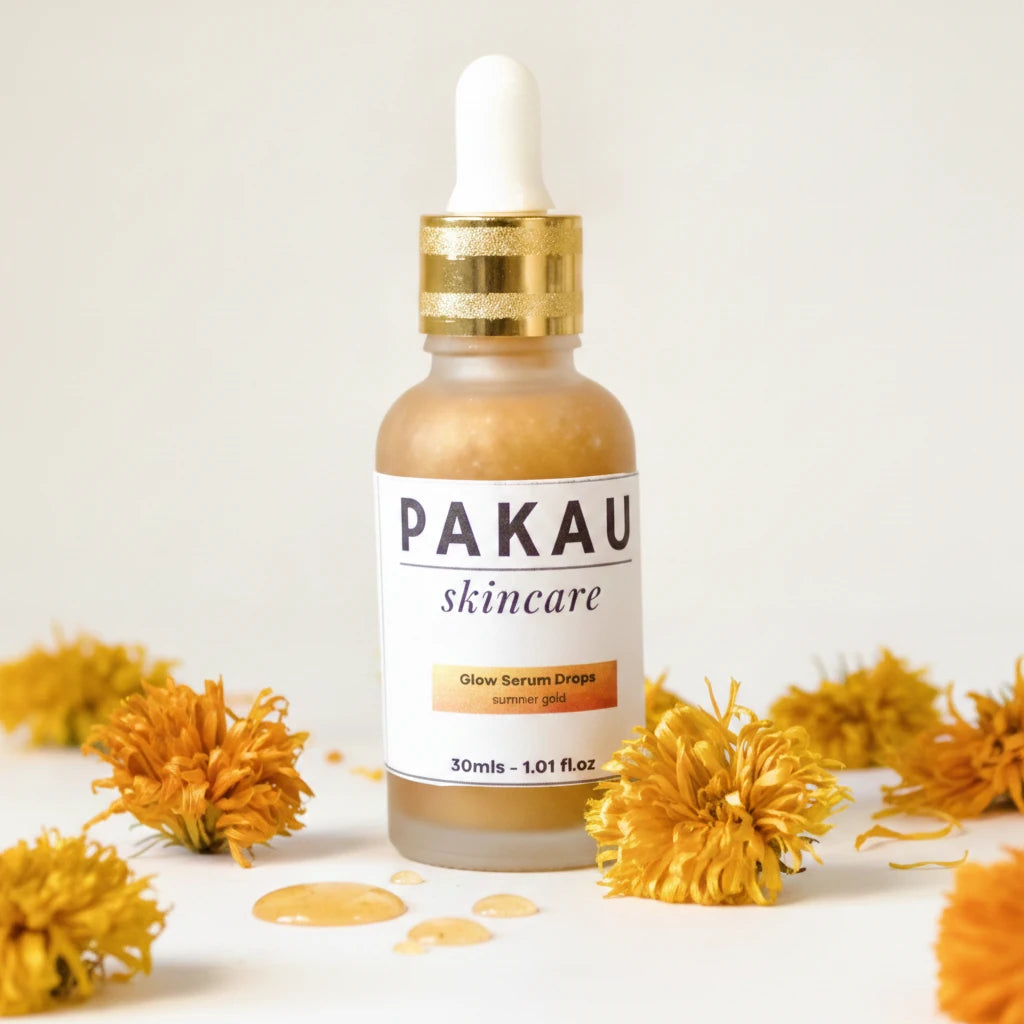
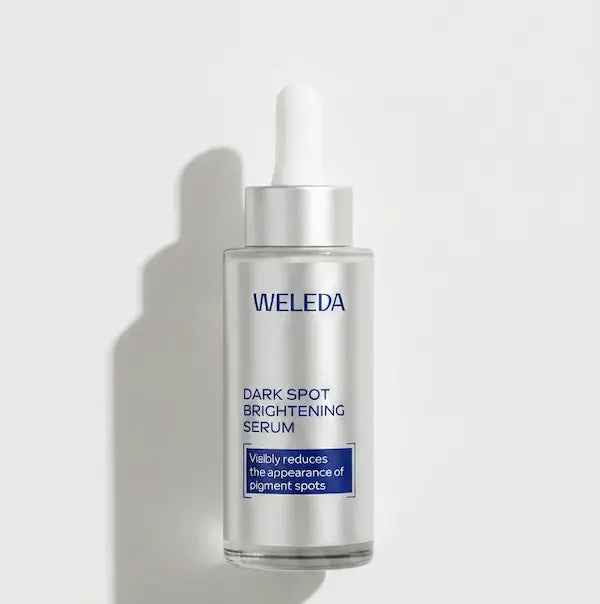
Tips for managing acne spots: Using targeted skincare products consistently can be an effective way to manage these spots. Weekly exfoliation can also help you fade those spots early. But do not overexfoliate; it may lead to skin irritation.
Sunspots
Do you like sunny days too? Love to go out in the sun to enjoy the weather, or do you have to be out due to other reasons? Regular exposure to the sun can lead to those dark spots appearing on your skin as sunspots. It does not come suddenly; after a few exposures, it builds up over time. Continuing to go out, especially without SPF, will definitely allow pigment to cluster and form those dark spots.
Of course, you always want them to fade away. But unlike acne marks, where they go away naturally when the skin heals, the sunspots are more rigid and need a highly targeted treatment for a longer time. To fade away sunspots, start using cellular brighteners, the skincare products that are formulated using Vitamin C, Licorice extract, or L-ascorbic acid.
- Vitamin C is a great source of protection for skin from environmental damage that creates new spots. It also blocks the enzyme that triggers melanin production in the skin. Usually, with vitamin C, people start seeing minor results in 3-4 weeks, including fading of sunspots, but it will take approximately 8-12 weeks of regular use to see visible results.
- Licorice extract works through a triple-action process on the skin. It works on pigment before, during, and after the dark spots form. Its active compounds work on multiple layers of the skin, resulting in fading those dark patches due to sun UVA/B rays.
- Lactic acid , which can be fermented, gently exfoliates dead surface cells and may improve mild discolouration.
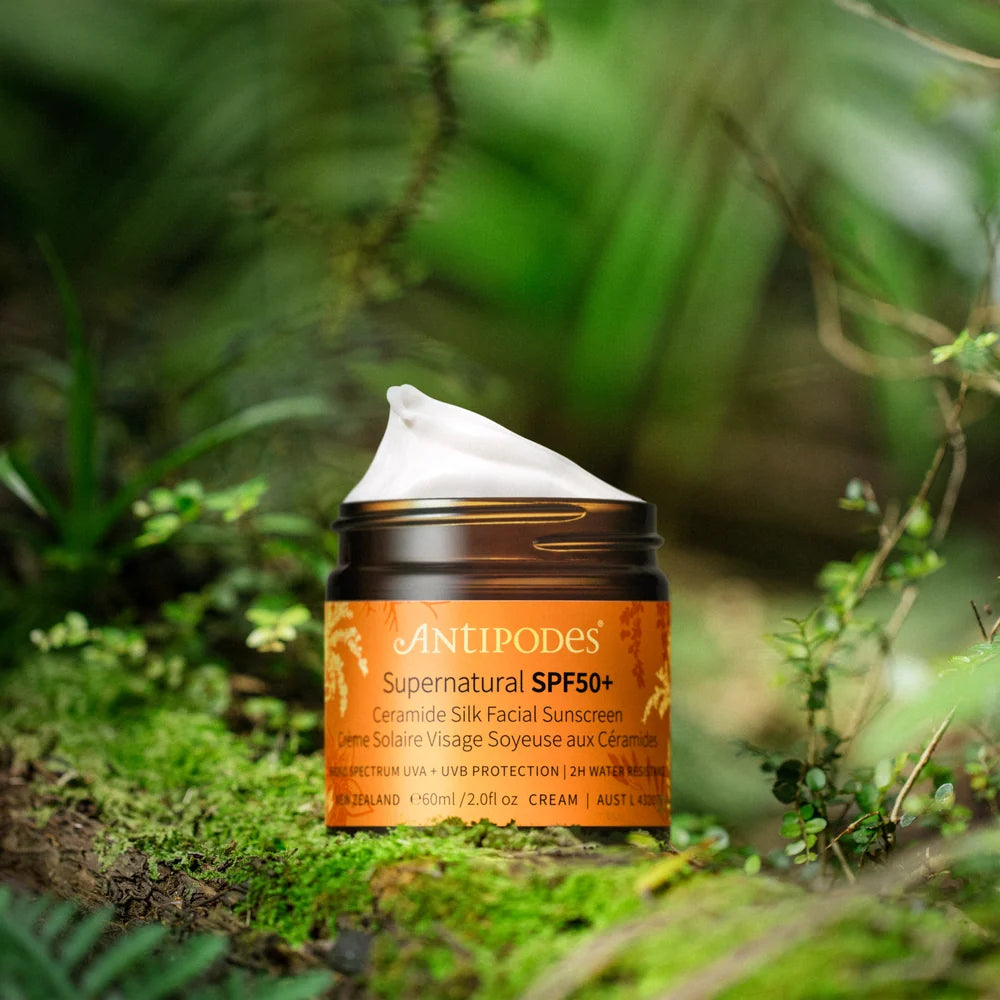
Pro Tip to manage sunspots: Always apply SPF before stepping out in the sun. It is advisable to put on sunscreen every two hours, or after sweating or swimming.
Melasma
When those dark spots occur on your skin due to hormonal changes, it is called melasma. It cannot be fully cured but can be well managed if taken care of properly. This type of pigment sits in the deeper dermal layer and is driven by hormones and heat. Sunlight and visible light may also trigger and/or worsen these patches.
- Bakuchiol can help fade them to some extent, but it requires ongoing maintenance.
- Vitamin C is another helpful ingredient to help create a more luminous complexion.
These skincare products are not a treatment for melasma, but they can help you manage it.
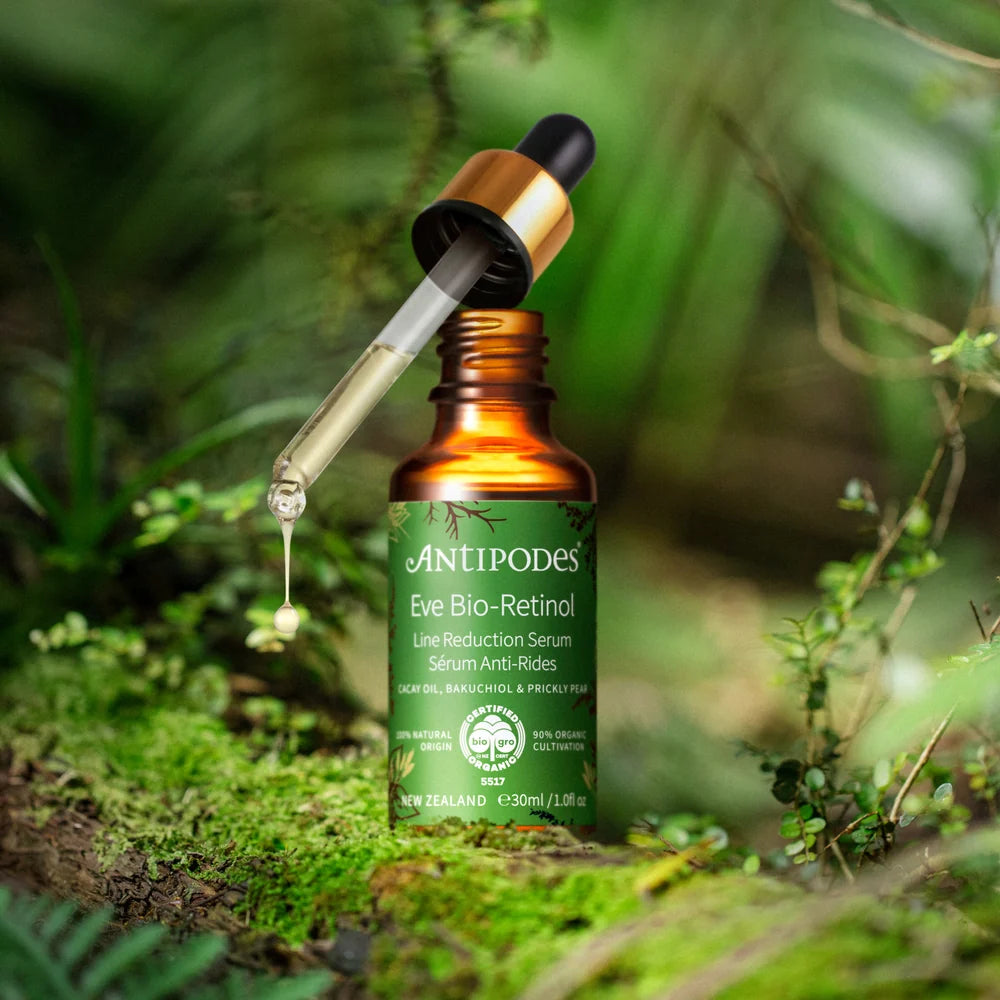
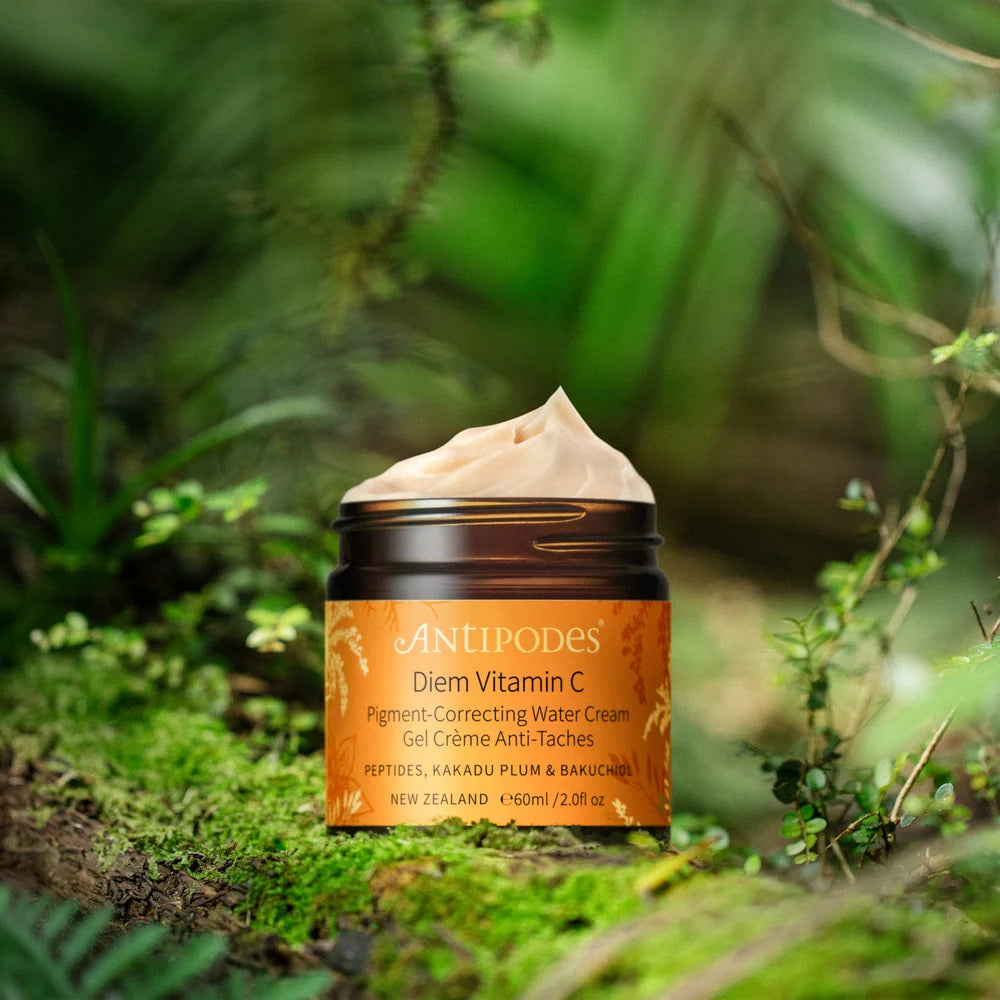
Tip for melasma: Tinted SPF and iron oxides can protect your skin from the sun by blocking UV blue light and adds a protective shield on the skin. As per clinical studies show that sunscreens with iron oxides help prevent hyperpigmentation and reduce melasma flare-ups as compare to untinted formulas.
How Long Does It Take for Dark Spots to Fade?
Fading dark spots may feel like forever, but a consistent skincare routine along with an effective topical treatment will take at least a month to 12 months, depending on the type of dark spot and the approach to taking care of it.
- Surface-level discoloration may take 2 to 8 weeks with topical treatments using natural brightening skincare, formulated using ingredients specifically used to target these marks.
- Post-Inflammatory Hyperpigmentation due to acne or injury takes 3 to 12 months, depending on the depth of these marks.
- Dermal Pigmentation is slower to respond and may take years to fully fade, as these occur deep in the dermal layer of the skin.
Skincare products, including Vitamin C, SPF, or prescription creams, can accelerate cell turnover and reduce melanin production.
Dark Spot Traps: Common Skincare Habits to Avoid
Getting rid of these stubborn spots on the face can be a high priority, but timing plays a significant role in it. In order to get them to fade away fast, you should stay away from a few skincare traps that may worsen these dark spots.
Skipping SPF
Sunscreen is the most important step in a daily skincare routine to protect from harsh sun rays. Whether it's sunny or cloudy outside, do not ever skip SPF, because UV rays always reach the Earth's surface, and exposure to them without sunscreen can make your spots darker.
Squeezing Acne
Looking in the mirror with acne on your face can be a heartfelt moment, where you want to get rid of that ugly bump as soon as possible. But do not make the mistake of picking or squeezing them, as they leave a dark mark behind, resulting in a dark spot that sits there for months.
Overdoing Exfoliation
Natural or organic scrubs can be a great way to remove dead skin cells, and it can be helpful in fading spots and getting results faster. But overdoing it sometimes leaves your skin irritated or red, causing more visible spots on the face.
Harsh Home Remedies
Sometimes, home remedies can help, but using lemon, baking soda, or aggressive homemade scrubs can lead to worsening the situation.
Switching Products
Any skincare product takes time to show you visible results. If you keep on switching brands or products, it means you are not taking the complete treatment required to fade the marks, so you may not get results in your desired time.
Conclusion
There’s no need to panic when you start seeing those dark spots on your face. There’s a cure, and they can be fixed, though it may take time depending on the type of spot. Consistent care and targeted treatment can go a long way to protect you from these dark marks. Keeping your skin hydrated, using nourishing oils to main lipid barriers and maintain adequate moisturiser levels, can make these spots look less visible and can fade over time. If spots are too dark and worsening it is always advisable to take a suggestion from a dermatologist.