A Parent's Guide on How To Choose Skincare for Teens

Share
Key Takeaways
Teen skin changes are a major struggle; understanding how to choose skincare for teens is even tougher. Stubborn breakouts and painful acne hurt while also damaging their self-esteem. As a parent, it is important to know that these breakouts are a normal biological milestone, not a sign of poor hygiene. Scrubbing harder will not wash away what is happening beneath the surface.
During puberty, there is a surge in hormones. They are called 'androgens', which trigger overproduction of oil, known as 'sebum'. The excess sebum mixes with dead skin cells and clog pores. This situation creates a perfect environment for acne and blackheads.
However, teen skin isn’t just “younger adult skin". It goes through a different hormonal phase. That stage changes its tolerance and alters what it demands. Teen skin looks plump, bouncy and resilient. It loses moisture easily and reacts quickly to harsh ingredients. Knowing that difference is the real beginning point for picking anything to put on a teenager's face.
This guide removes the stress and guesswork. Together, parents and teens can choose skincare that is gentle on the skin.
Always remember:
"Filters are fake; skin texture is real. Hormones are doing a lot right now, so give yourself some grace."
The High Cost of Viral Skincare Trends on Teen Skin
It is totally natural for teens and pre-teens wanting to join viral trends like “Get Ready With Me (GRWM)". Their social media feed is filled with many aesthetic trends, reels, and skincare experiments. Exploring skincare feels like a fun ritual to them, but products with strong or potentially irritating ingredients may not be suitable for every young person's skin, particularly when used incorrectly or combined with too many other actives.
Not knowing about the products and their formulations can create an ingredient mismatch. This can trigger painful irritation and heightened sun sensitivity. Sadly, adolescent routines are growing more complex when they should be getting simpler. With FOMO (Fear of Missing Out), kids get trapped in using trendy makeup products that ultimately damage the skin’s natural moisture barrier.
Medical experts warn that young skin is thinner and has a developing barrier, making it more exposed to harsh ingredients. Dermatologists strongly advise against complex routines, preferring a simple regimen and addressing only medically diagnosed conditions such as acne. ( ref )
How to Choose Skincare: A Simple Decision Framework
Teenage skincare does not need to be complicated; it should be easy, economical, and focused on developing the right habits (instead of aiming for perfection). The three key components of the routine are a gentle cleanser, followed by a non-comedogenic moisturiser and SPF 30+ sunscreen.
Teen Skincare Essentials
Teenagers are especially sensitive to hormonal changes, so less is better when it comes to skincare routines. When assisting your teenage child in establishing a skincare regimen, follow these concepts:
- Keep it simple: Adolescent skincare does not require a 10-step regimen. The main steps are cleansing, moisturising, and sun protection.
- Focus on Your Skin Type : Gel and foaming cleansers, along with lightweight moisturiser, are perfect for oily skin types. However, dry skin requires a different approach to prevent tightness. It will benefit from a gentle cream face cleanser for teens to keep the barrier soft, hydrated, and protected.
- Avoid Intense Activities: Steer clear of strong chemicals like peels, intensive retinoids and alcohol-infused toners unless prescribed by a specialist.
- Sun Safety is Crucial: The application of sunscreen offers protection against UV damage. Use a broad-spectrum SPF 30+ sunscreen every morning.
Beginning Teen Skincare Routine
Encourage your kid to follow the simple steps given below:
Morning Routine
- Washing: Use a mild soap-based or foaming cleanser.
- Hydrating: Use a lightweight, oil-free moisturiser.
- Protection: It is advisable to wear sunscreen with a 30+ factor, applying it after every two hours of outdoor activity.
Evening Routine
- Washing: Go through the cleansing process to gently remove sweat and dirt.
- Hydrating: Apply a richer, barrier-building moisturiser.
- Spot Treatment: Use targeted treatment options only when required. Skip harsh synthetic chemicals entirely.
Products to Look For: When buying products, pay attention to labels and catchy phrases such as "fragrance-free", "non-comedogenic", "dermatologist-approved", and "hypoallergenic".
The Age-by-Age Guide
- Pre-teen (9–12): Keep it incredibly simple. In this state, your child only needs a gentle, pH-balanced cleanser and a fluid or gel-based sunscreen in the morning. Please note that experts at Harvard Health state that a pre-teen with a normal skin type generally does not strictly need a moisturiser unless they have naturally dry skin, eczema, or live in a very cold climate. If skin feels dry due to any factor, occasional fragrance-free moisturiser is recommended. We advise taking dermatological guidance before using any product at this age.
- Early teens (13–15): As hormones shift, add a lightweight, non-comedogenic moisturiser. Use a mild spot treatment only if needed or prescribed by a medical practitioner.
Ready to simplify? Read our complete guide on Skinimalism for Teens to learn how less is truly more when it comes to healthy, glowing skin.
Building the Habit, Not Just the Routine
Shared decision-making matters more than an intense routine. Parents should research and choose products together. This beats leaving teenagers to navigate social media alone. Working together keeps ingredient choices sensible. It reframes skincare as a confidence-building habit, not a chase for a filtered standard. Teenage skin is not a problem to be corrected. It is simply going through a temporary stage. A simple routine supports it perfectly without the stress of chasing unrealistic social media trends.
Common Questions Parents and Teens Ask (FAQ)
1. Is skincare necessary for teens?
Not a complex one. A simple short routine — a gentle cleanse, moisturiser, and SPF. Piling on synthetic actives doesn't improve results; it just increases the risk of irritation. Keeping it simple is always best.
2. Higher Price = Better?
No. A high price doesn't guarantee better results. What matters is a clean, transparent ingredient list built on natural, plant-derived actives suited to your skin type — not the cost or the brand name.
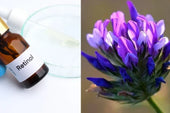
3. Can teens use retinol?
Not usually. Retinoids can cause dryness, peeling and irritation, particularly when introduced too quickly or used incorrectly. Some retinoids are also established treatments for acne in adolescents and should be used appropriately. This often causes harsh peeling, burning and long term barrier damage. Unless a dermatologist prescribes it for severe acne, teens should not use it.
4. Why am I still breaking out even with a good routine?
Hormones, not hygiene. Breakouts during teen years are largely driven by hormonal fluctuations that increase oil production — not dirt or poor cleansing. Over-washing or using harsh, synthetic drying agents can strip the skin barrier and worsen breakouts. Natural, soothing ingredients like aloe vera and green tea help calm skin without disrupting its balance.
For hormonal acne, what ingredients to avoid in teen skincare and what to look for?
Yes — natural options like willow bark extract (a gentle, plant-derived alternative to synthetic salicylic acid),
centella asiatica (cica), green tea extract, aloe vera, and honey help regulate oil, exfoliate gently, and calm
inflammation without stripping the skin barrier.
Final Words
Skincare for teens should be about protection, not fixing problems. Forget the over-complicated, synthetic trends driven by social media. A simple, age-appropriate routine maintains a healthy, resilient skin barrier. “Supporting your skin through these natural changes creates lifelong habits and real confidence without the pressure of filtered perfection.”
Supporting the developing skin barrier with natural plant-based ingredients to balance oil and heal breakouts without stripping away essential moisture.
You may also like: The Skin Microbiome: Your Invisible Skin Barrier
*This article is intended as general skincare education. It doesn't replace advice from a dermatologist or medical professional, particularly for persistent or severe acne, which may benefit from a prescription-strength or medically supervised approach.*