How Vitamin C Skincare Transforms Dull, Tired Skin

Have you ever stood in front of the mirror on a tiring week and found that your skin lacks the glow? Well, you are not alone. The stress on our skin from the surroundings, causing Vitamin C skincare products to become among the most desired solutions to fight against tired skin. Whatever your skin concern, from environmental damage to pesky dark spots, adding active brightening products to your daily routine can help you transform your skin.
In this article, you will discover how Vitamin C works, which type of product form and packaging to pick,how to incorporate it into your skincare routine, and how to store it properly.
Feed Your Skin Its Daily Dose
Tired skin is not just about those wrinkles and dark circles, it presents itself through dry skin texture, dullness with a grayish tinge, and lack of suppleness. Sun rays, dirt, stress and lack of sleep affect the natural renewal process of the skin cells, resulting in accumulation of dead skin cells and appearance of patches, hyperpigmentation and dullness of skin.
Vitamin C refreshes your antioxidant system. It protects the skin from daily damages and pollution while evening out skin tone. If you want real results then use top vitamin c serum daily to see the actual benefit. It helps fade dark spots that help make your skin firmer and result in glowing skin.
The Science: Why Vitamin C Actually Works
Every day, your skin faces daily stress such as UV light, pollution, and blue light. They lead to the development of free radicals that rob electrons from your skin cells, which leads to oxidative stress and destroys collagen, making you lose your glow. Thus, what role does vitamin C play in skincare in such conditions? It serves as an electron donor and eliminates free radicals, therefore avoiding premature aging and lack of luminosity.
When you consider "Is vitamin c good for skincare?", you get an instant answer because of its hyperpigmentation-fighting properties. Darker spots result from the excessive production of melanin which is the pigment responsible for skin’s coloring.
Vitamin C blocks the activity of tyrosinase which is the most important enzyme involved in melanin synthesis. Inhibition of this enzyme prevents formation of new dark spots and helps to fade away already existing discoloration.
Smooth texture is the secret to a radiant glow. Rough skin blocks your natural brightness, making your face look dull. Vitamin C feeds the specific enzymes your body needs to produce fresh collagen, smoothing out your skin from the inside out.
Formulations Comparison: Which Type of Vitamin C is Suitable for You?
Concentration is an important factor when selecting a vitamin C skincare. The beginners or people with sensitive skin must use a concentration of about 10% because the skin requires time to build up tolerance. Concentration of 15% to 20% is optimal to treat stubborn dark marks and stimulate collagen production. Concentration above 20% does not offer any additional benefits and greatly raises the risk of reddening and irritation.
|
Product |
Primary Benefit |
Key Ingredients & Derivatives |
Ideal For |
Usage / Application Ti p |
|
Vitamin C Serums (High-Potency Active) |
Concentrated formulas designed to support brighter-looking skin, improve dullness, and provide antioxidant support. |
Kakadu Plum, Citrus Extracts (Orange/Mandarin), Rosehip Extract, Botanical Antioxidants |
Overall radiance, hyperpigmentation, anti-aging. |
Apply 3-5 drops to cleansed, damp skin prior to using any other heavy moisturizers. |
|
Vitamin C Creams & Balms (Barrier Nourishment) |
Combines brightening support with hydration and skin comfort. |
Aloe Vera, Jojoba Oil, Shea Butter, Plant-Based Oils, Vitamin C-rich Botanical Extracts |
Dry, flaky, or sensitive skin. |
Apply as a moisturizer (or overnight hydrator on extremely dry skin). |
|
Vitamin C Cleansers & Toners (Prep & Balance) |
Cleanses impurities without stripping natural oils, priming skin for active absorption. |
Mandarin Extract, Orange Extract, Green Tea Extract, Aloe Vera, Citrus Botanical Blends |
Daily maintenance, oily or combination skin. |
Apply as your first morning/night step followed by the serum. |
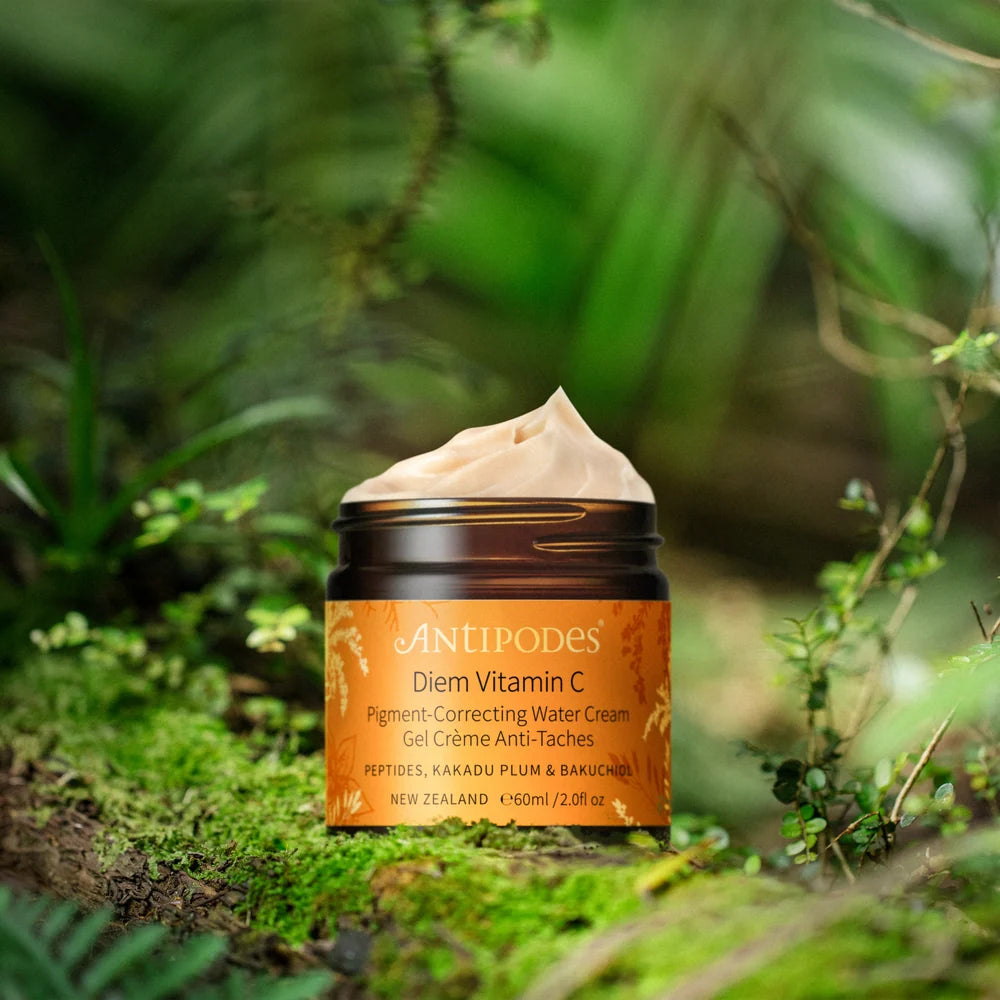
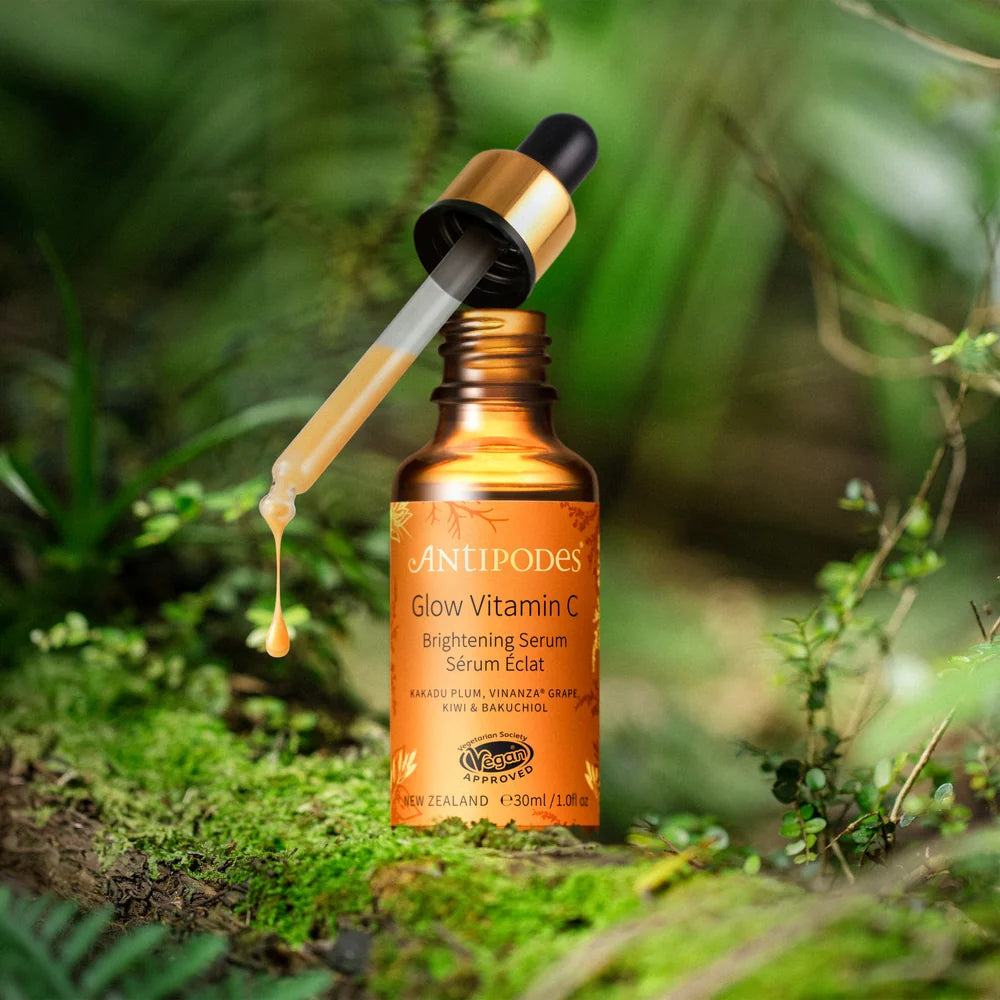
Check this out for Vitamin C Shot
What are the Key Ingredients to Look for in Vitamin C Skincare?
Choosing skincare products with Vitamin C is not only about looking for a high concentration of Vitamin C. The overall formulation plays an important role in how the product feels, performs, and fits into your skincare routine. Along with the type of Vitamin C used, supporting botanical ingredients can make a difference by adding antioxidant support, hydration, and skin-soothing benefits.
1. Plant-Based Vitamin C Ingredients to Look For:
For people who look for plant-based skincare, Vitamin C is mostly combined with botanical ingredients that naturally support skin brightness and antioxidant protection. These plant-derived ingredients can support Vitamin C formulations by helping skin appear more radiant, hydrated, and refreshed.
- Kakadu Plum: An Australian native fruit that is one of the highest sources of Vitamin C and boasts antioxidant benefits, it is often used in skin care formulations for its brightening effects. You might be interested in Tinted BB Creme with SPF 30 which consists of Kakadu Plum.
- Orange Extract: An extract from naturally citrus origin, it is an excellent source of antioxidants that can be used with Vitamin C formulations to provide a healthy orange background colour. Check this out Amberwood Moisturizing Cream , which consists of Orange extract.
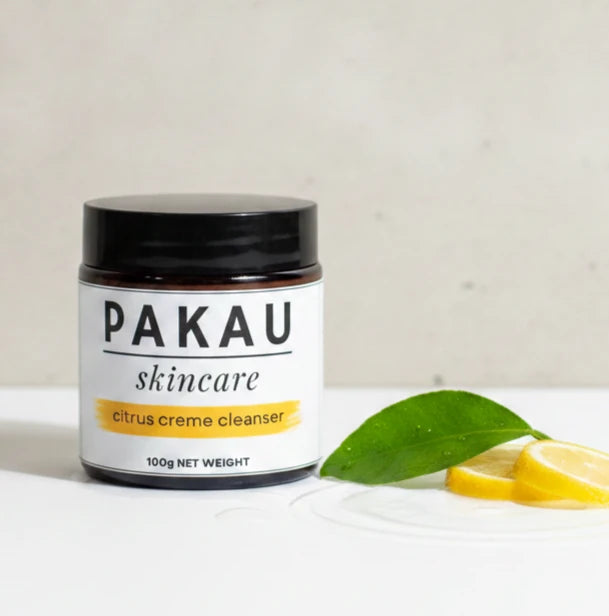
- Mandarin Extract: A soft citrus botanical that is frequently used in Vitamin C formulations for its brightening and refreshing properties. Citrus Creme Cleanser with Mandarin extract in it for even tone.
- Green Tea Extract: A plant-based antioxidant that helps protect skin from environmental stress while complementing Vitamin C formulations. You can explore Jasmine Oil Cleanser with green tea extract.
- Aloe Vera: Known for its soothing and hydrating properties, Aloe Vera can help balance active skincare formulas and support comfortable application. Deep Cleansing Gel by Weleda with Aloe-vera and witch hazel.
2. Synergistic Antioxidant Pairings
Vitamin C functions optimally when combined with complementary antioxidants. Consider skin care products with vitamin c which are supplemented with both Vitamin E and Ferulic Acid. They both can be used combined or separately on skin according to your skin needs. Vitamin E reactivates Vitamin C once it deactivates the free radical, while Ferulic Acid stabilizes the product making it twice as effective in fighting the signs of aging due to photodamage.
3. Packaging Requirements
Vitamin C can lose its effectiveness when exposed to air, light, and heat. So, If you are travelling or a bottle is leaked then make sure that your product remains safe, you should not transfer it to clear glass containers or open jars. You should always choose opaque or airless pumps as well as dark amber or cobalt glass bottles.
Step-by-Step AM Skincare Regimen
Step 1: Gentle Cleanser
Start by cleansing your face to remove dirt, oil, and impurities from the skin. Use a gentle, sulphate-free cleanser that cleans without drying out your skin, leaving it fresh and ready for the next steps.
Step 2: Vitamin C Serum
Apply 3-5 drops directly on damp skin for deep absorption of the active ingredients. Using serum after cleanser, and toner ensures that the serum enters the epidermis layer of the skin for maximum vitamin c skincare benefits.
Nectar Face Serum with Rosehip & Jojoba Oil deeply hydrates and revitalises the skin while helping to smooth the appearance of fine lines. Enriched with vitamins A and C and essential fatty acids, it helps nourish, brighten and support a healthy-looking, radiant complexion.
 Step 3: Moisturizer
Apply a hydrating moisturizer after your Vitamin C serum to lock in moisture and keep your skin feeling soft and balanced. Choose formulas with nourishing ingredients that support healthy, glowing-looking skin.
Smoothing Day Cream with Wild Rose & White Tea provides intense hydration while helping to smooth the appearance of fine lines. Enriched with antioxidant-rich ingredients, it helps protect skin from environmental stressors and supports a smooth, radiant complexion. 
Step 4: Broad-Spectrum Sunscreen (SPF 30+)
Finish your morning skincare routine with a broad-spectrum sunscreen. Sunscreen helps protect your skin from harmful UV rays, while Vitamin C provides antioxidant support against environmental stressors. This combination helps keep your skin protected and healthy-looking throughout the day.
How to Protect Your Vitamin C Formula From Oxidation?
Dos
- Keep it in a cool and dark area out of direct sun and heat.
- Begin with 2-3 times per week if you’re new to vitamin C application to develop your skin’s resistance.
- Close the cap tightly each time you open it to minimize oxygen contact.
- Incorporate a natural face mask to your weekly regimen to clear and soften your skin barrier.
Don'ts
- Using it in conjunction with other acidic or retinol-containing ingredients during the same application stage.
- Do not apply Vitamin C on freshly exfoliated or damaged skin.
- Using expired products which have turned dark brown or orange as it may irritate the skin.
Move onto next steps towards radiant skin
A regular skin care regimen and the correct type of Vitamin C product can help to maintain healthy-looking skin that is not dull and tired. Vitamin C can also be used into the morning regimen to shield skin from environmental irritants, enhance skin tone and texture over time, and brighten skin.
Choosing a formula that suits your skin type and combining it with proper hydration and sun protection can help maintain healthy, radiant-looking skin.
FAQs
Does vitamin C help your skin?
Yes, Vitamin C is an antioxidant that is beneficial for the skin to keep away from environmental stressors, boost the formation of collagen, and enhance complexion with a brighter, more even hue, which causes dullness.
When to apply Vitamin C in a skincare regimen?
Vitamin C is a popular choice in the morning after cleansing and prior to moisturizer and sunscreen. This allows the skin to have a natural protection against everyday environmental factors such as pollution and UV radiation.
Is it okay to use caffeine and Vitamin C together in skincare?
Yes, you can use caffeine and Vitamin C in the same skincare regimen. Caffeine can diminish puffiness and Vitamin C can help improve the appearance of brighter skin, particularly around the eyes.