Why Sustainable Beauty is Important for Skincare?

Share
Key Takeaways
Sustainable beauty will continue to be a permanent shift in the ever-changing beauty industry, where trends appear and disappear as quickly as they come. With most of us having created our own special morning rituals that we enjoy and appreciate before the day starts, taking care of our skin is an important part of our daily routine. However, now that we are more mindful of our impact on the environment, we are realizing that we should be doing what works best for us without harming the planet.
Creating more mindful routines, which are based on awareness, involves looking at many aspects other than just "clean" ingredients in your products, such as how items are produced and packaged, how much of the product(s) goes to waste, and looking for quality over quantity by choosing higher quality items with less total volume so that our vanity will better reflect our values.
What Does Sustainable Beauty Actually Mean?
The term “sustainable beauty” is often used as a buzzword, but it has a lot more meaning than a green sticker on your favourite product. The definition of sustainable beauty encompasses a lot of things; mainly, it's how a product was produced with little or no impact on the environment. This involves using ethically sourced ingredients, utilising fair and equitable trade practices, and most importantly, reducing waste throughout the entire life of a product.
Whereas clean beauty focuses on what is inside a bottle (avoiding chemicals and harmful toxins), sustainability looks at what's on the outside of the bottle and how the product made its way to your vanity. Sustainability moves away from the “take-make-waste” model to a circular economy.
Essential Eco Friendly Beauty Tools for a Greener Routine
An easy way to start your journey is by examining the products that you use and dispose of every day. Traditional beauty routines are full of single-use plastics, such as disposable razors and cotton pads. Changing to eco-friendly beauty tools is a great way to greatly decrease the amount of waste created each day.
Here are a few swaps to consider:
- Reusable Makeup Remover Pads: Rather than using a new cotton pad every night, switch to a washable bamboo or organic cotton pad. They are softer on your skin, can be used for hundreds of uses before washing, and are less expensive to use over time.
- Bamboo Makeup Brushes: Select brushes made of bamboo or FSC-certified wood for the handles, rather than plastic.
- Compostable Sponges: Many makeup sponges are created from synthetic foam and take years to decompose. Choose biodegradable beauty tools such as konjac sponges or plant-based applicators.
- Stainless Steel Razors: A safety razor will provide a lifetime of service and avoid the requirement of plastic cartridges.
Embracing a Zero Waste Beauty Philosophy
Implementing a zero-waste approach to beauty will be a satisfying step toward being an environmentally conscious person. Although the goal of "zero" will take time to reach, this is a philosophy that means progress, not perfection, and reducing our global footprint one decision at a time.
A good way to get started is by using concentrated solids, Facial Cleansers (bar soap), and Body Lotion Sticks. These products are eliminating your consumption of packaging associated with single-use plastic bottles by using a water-only-based formula and won't leave any residue after you have finished using them! They provide more room in your bag or on your shelf than liquid alternatives and will make travelling with your favourite beauty products much easier.
Solid products tend to be more concentrated than liquid forms of the same product, which makes them last longer, so originally, you will also save some money in the end.
Why Sustainable Skincare Packaging Matters
The beauty industry annually produces billions of units of packaging that are non-recyclable due to their size, composition of mixed materials, and inability to be recycled together. When you’re shopping, consider product packaging options, like:
- Glass - glass can be infinitely recycled and provides a luxury look and feel to products.
- Aluminium - aluminium is light and has one of the highest rates of recycling in the industry.
- Refillable Systems - many brands now provide alternatives like "refill packs" or "pods" to allow consumers to continue using the first glass container they purchased.
- Consumer Recycled (PCR) Plastics - if plastic must be used to package their products, then use a "PCR" system, as this provides a second life to existing plastics; thus reducing the amount of virgin plastics.
How to Build a Plastic Free Beauty Routine
Transitioning to a plastic free beauty routine doesn’t have to be an overnight process, and the best method of developing your routine sustainably is to look for ways to use up all of the products you already have before purchasing new items. Once you’re ready to move forward, follow these simple steps:
- Audit Your Bin: Take note of what you throw away the most often. Are you throwing away wipes? Are you throwing away empty plastic bottles? Address those immediately.
- Simplify Your Steps: A sustainable process is often a simplified one. Do you really need a ten-step process to achieve your desired look? Using multi-use products, such as a tint that you use on your lips and cheeks, will reduce the number of containers you need to purchase.
- Check the Low Waste Factors: Find out if any beauty brands offer low waste beauty options (concentrated serums that require fewer containers) or if they have take-back programs that allow you to return your used bottles/containers.
Sustainable Beauty FAQ
Q: Is sustainable beauty more expensive?
Beauty with sustainability emphasises concentrated formulas and multifunctional products. The costs associated with each brand will differ from brand to brand; however, the higher quality and durable nature of the products usually gives greater value in terms of long-term use.
Q: Are natural products always sustainable?
No, not all natural products are sustainable. Natural ingredients can be harvested unethically. To find out if a product is sustainably sourced, it is important to check the supply chain for third-party certifications for fair trade or organic. You can learn more in our natural skincare products guide .
Q: How do I know if a product is actually "clean"?
The term “clean” generally refers to the absence of “nasty” ingredients like parabens and sulfates from the formula. To evaluate whether or not a particular clean beauty product is suitable for your individual needs, it is helpful to verify the product's integrity, check the INCI list, confirm that it has a third-party certification (e.g. EWG, COSMOS), and use scanning apps to confirm safety statistics in addition to marketing claims
You May Like : Clean Beauty Certifications: What Really Matters
Choosing Conscious Consumption
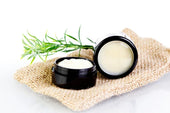
Sustainable living equates to making decisions that reflect your values. When you select a wood hairbrush or a balm in a glass jar, you're making an impact on the future of the beauty industry by supporting brands that care about protecting our planet.
Selecting biodegradable beauty tools and supporting environmentally friendly brands demonstrates that beauty can be both effective and sustainable. It’s about achieving an equilibrium between caring for oneself and caring for the planet.
Final Thoughts: Small Steps, Big Impact
Sustainable beauty signifies the emergence of an enduring eco-conscious paradigm shift - one which caring for yourself and caring for your environment by way of ethically sourced ingredients, reducing packaging waste, and utilising the principles of the circular economy. Moving toward a more sustainable routine entails substituting disposable products for reusable ones (making use of durable tools instead), concentrating on concentrated products, and selecting recyclable materials to minimise waste. Adopt a more intentional and longer-term mindset when it comes to beauty in order to create a healthier planet.
Isla Thompson
Lifestyle & Wellness Contributor
Isla writes about wellness, lifestyle, and eco-conscious living. She inspires readers with practical tips and guides for healthy, sustainable beauty habits.