What Is the Best Face Moisturiser for Your Skin Type?

Standing in front of shelves full of jars and bottles promising glowing, hydrated skin, it is easy to wonder: what is the best face moisturiser, really? The honest answer is that there isn't one single best pick for everyone.
The best face moisturiser depends on your skin type, the concerns you are dealing with, the texture you enjoy using, and the ingredients your skin responds well to.
Moisturisers also come in a few different forms, from light gels and lotions to richer creams and balms, and each one suits a different kind of skin. Once you understand what your skin actually needs, choosing the right one becomes a lot less overwhelming.
What Does Moisturiser Do?
Before picking a product off the shelf, it helps to understand what a moisturiser is actually doing for your skin. Once you know this, it's much easier to figure out what to look for.
- Helps Reduce Moisture Loss: During the day, your skin naturally loses moisture from its surface, called transepidermal water loss. A good moisturising product slows this down by protecting the skin barrier. The ingredients present in the moisturiser prevent hydration from being lost too quickly. That’s why your skin stays hydrated throughout the day without drying out within hours of showering.
- Softens and Smooths Dry Skin: Rough or flaky skin often signals that your skin lacks natural oils or water. Oil-based moisturisers contain ingredients that help lock in moisture, leaving skin feeling soft, smooth and hydrated. Water-based moisturisers keep your skin hydrated.
- Relieves Tightness and Discomfort: After cleansing, skin might feel tight and uncomfortable due to a lack of moisture. A moisturiser restores oil and hydration and helps restore a more relaxed, comfortable feel to the skin.
- Supports the Skin Barrier: Your skin has a natural barrier of lipids that protect it from pollution, wind, and changing weather. Regular moisturising assists in preserving this barrier by providing water and lipid-supporting ingredients, so your skin stays resilient against everyday stress.
Understanding these basic functions makes it much easier to identify what to actually look for when choosing the best face moisturiser for your skin.
So, What Moisturiser Should I Use?
The right moisturiser really comes down to how your skin behaves through the day and how you want it to feel once applied.
1. Best Face Moisturiser for Dry Skin?
Dry skin needs richer formulas that can lock in natural oil and stay put through the day. Creams and heavier moisturisers work best here, since lighter lotions tend to absorb too quickly and do not offer lasting relief. Look for ceramides to help rebuild the skin's barrier, along with plant oils and shea butter to soften rough texture and seal in hydration.
Squalane is another wonderful option – it's like your skin's natural oils to deeply moisturise and lock in hydration. Combined with a humectant such as plant-derived glycerin, these attract additional moisture to replenish dry skin with both water and lipids for healthy comfort.
Recommended Moisturisers for Dry Skin
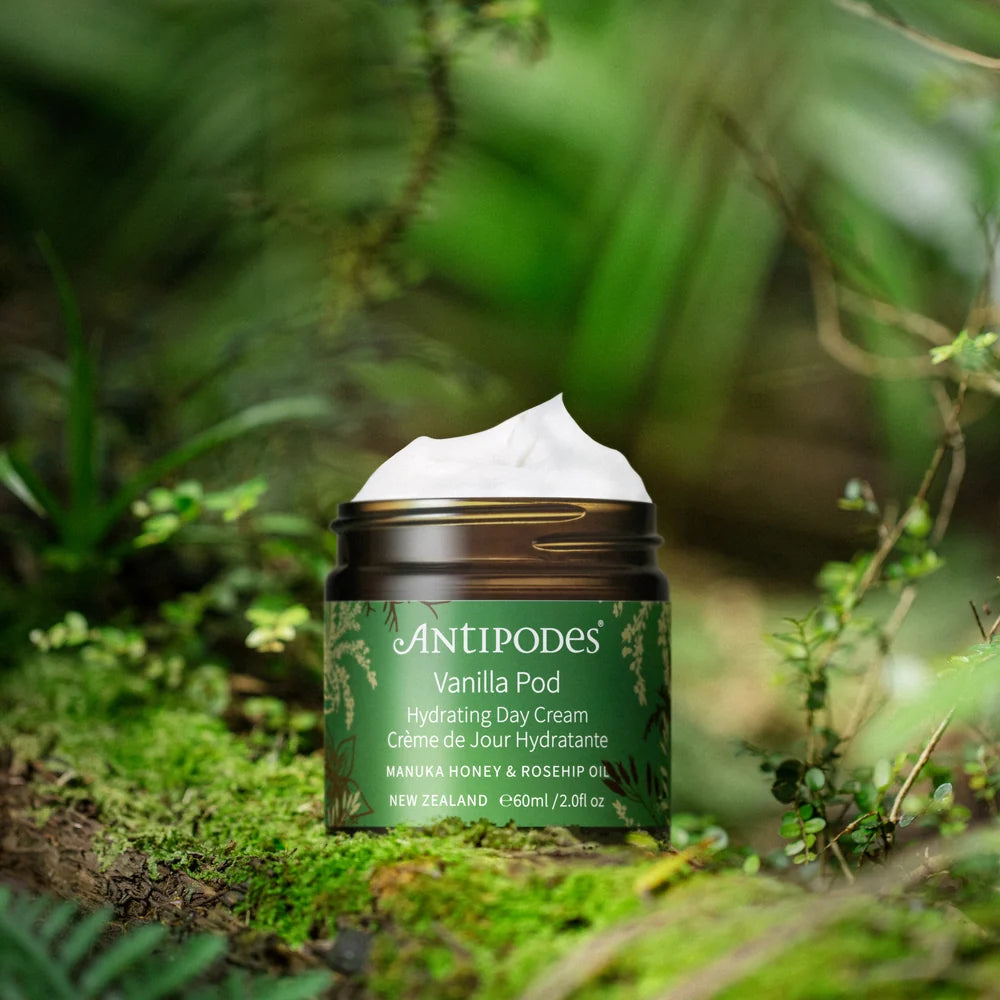
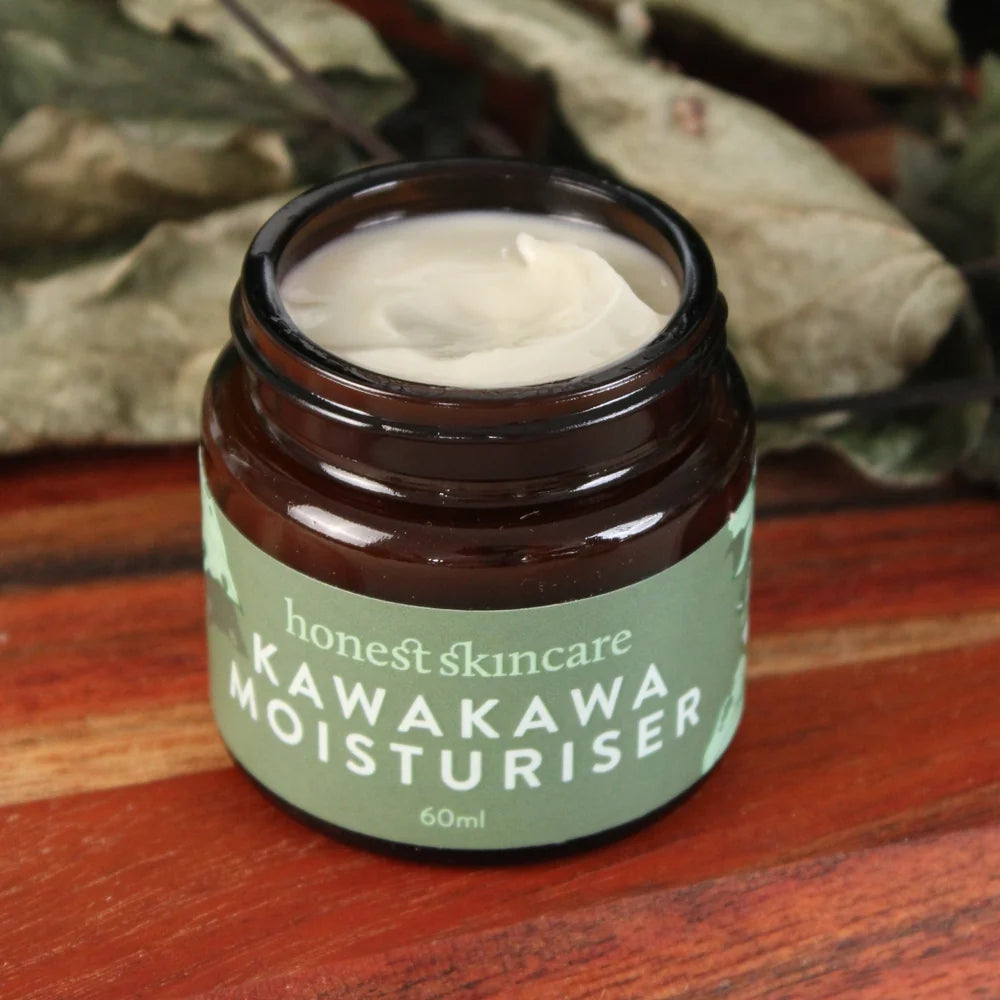
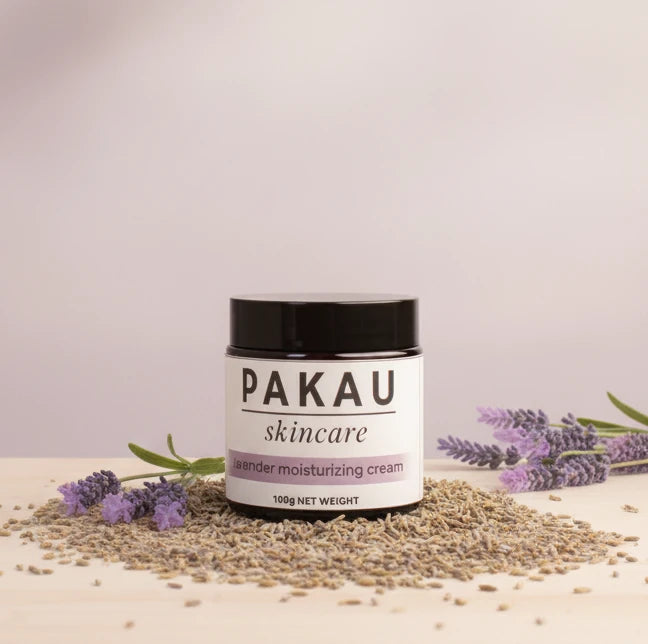
If you're looking for a good moisturiser for dry skin, our skincare products for dry skin collection is a good place to start.
2. Best Face Moisturiser for Oily Skin?
Oily skin prefers light, water-based textures that hydrate without adding shine. Gels and light creams are good moisturisers, hydrating the skin without feeling greasy or clogging pores. This makes humectants particularly helpful for this skin type, as they deeply nourish the skin without feeling heavy and greasy. It's best to avoid unnecessarily rich, thick formulas, since they can leave oily skin feeling weighed down rather than balanced.
Product Recommendation for Oily Skin
 3. Best Face Moisturiser for Combination Skin?
Combination skin needs a bit of balance. A lightweight moisturiser applied evenly across the whole face works well as a base, with a touch more product added to drier areas like the cheeks whenever needed. It's best to avoid heavier, richer textures across the entire face, since this can trigger excess oil in the T-zone while doing little for the drier patches elsewhere.
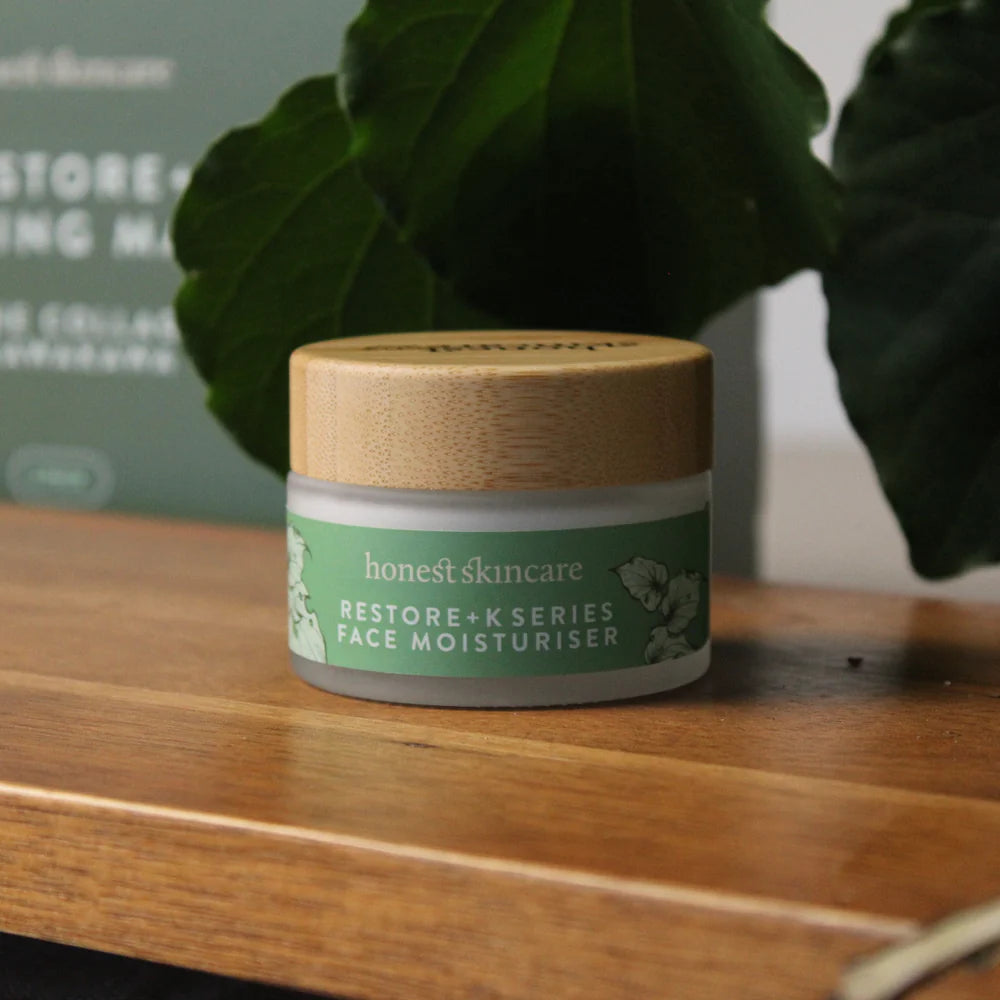
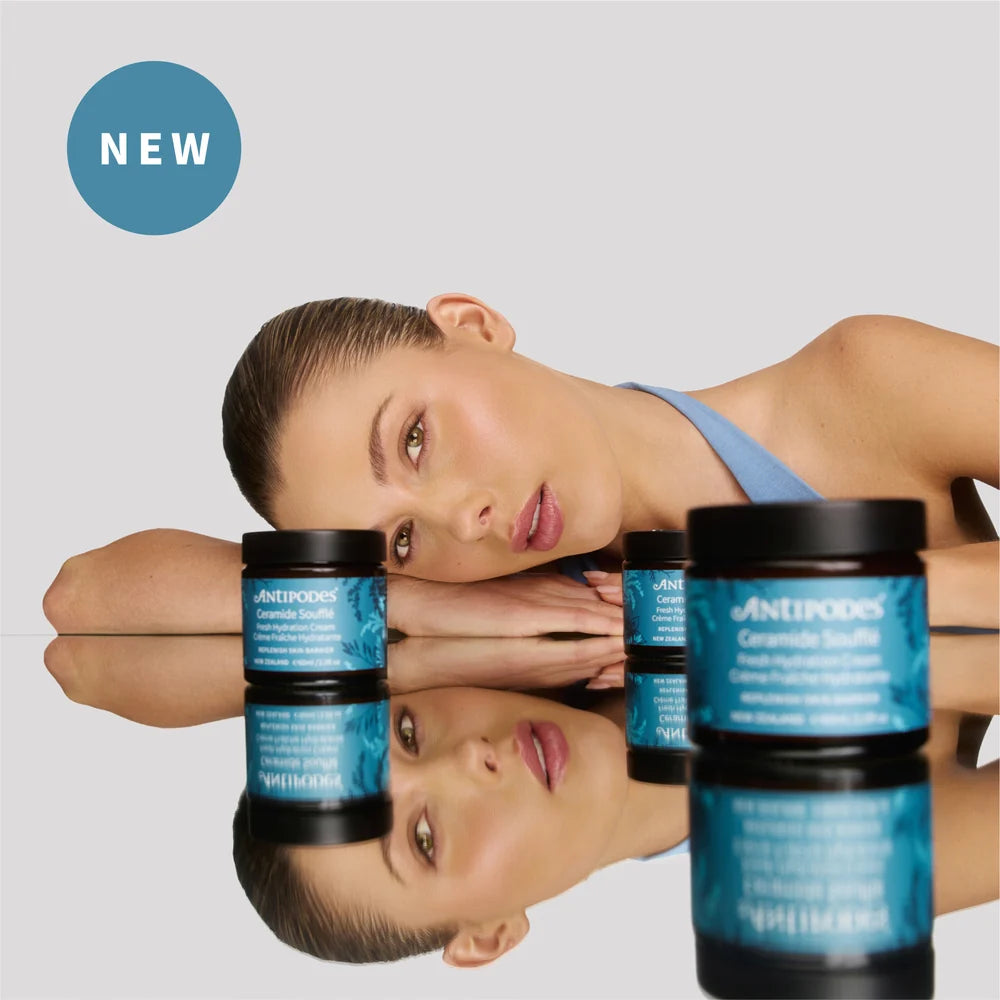
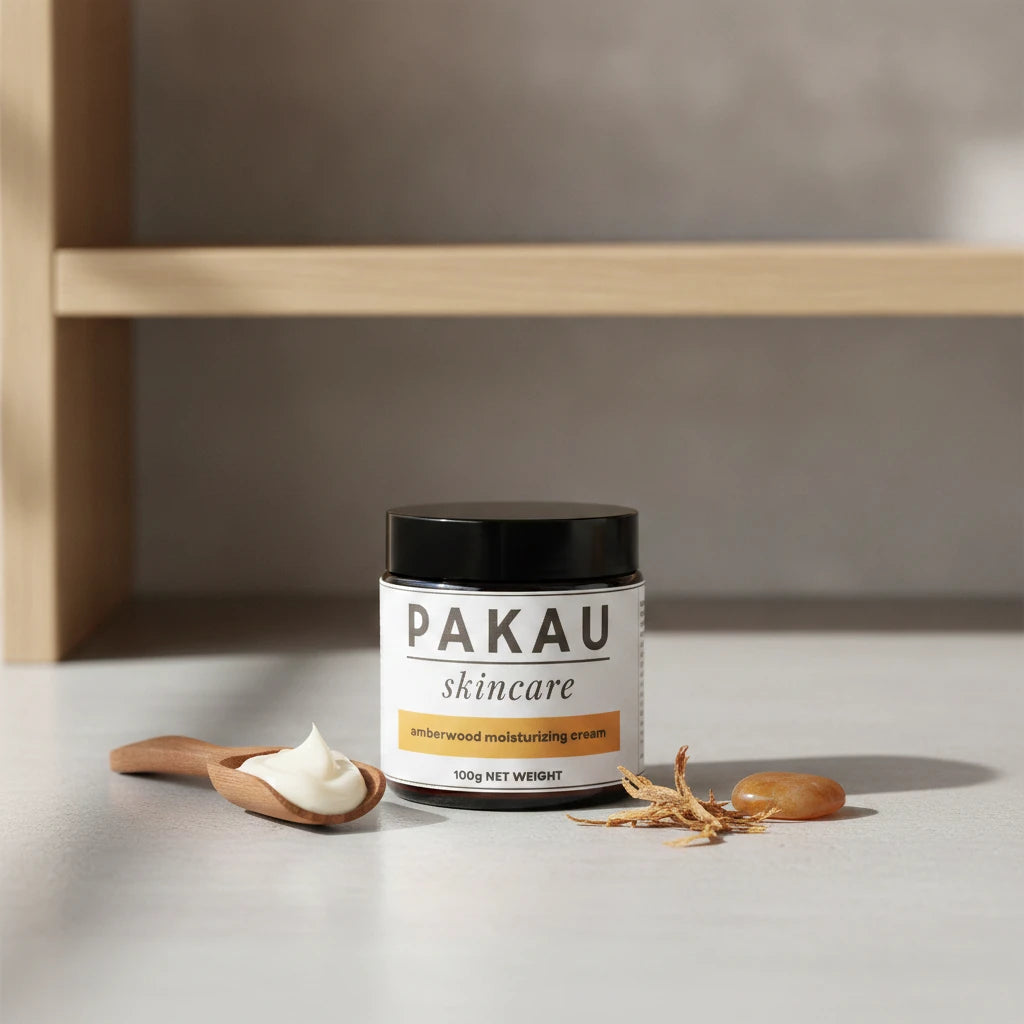
Recommended Moisturisers for Combination Skin
4. Best Face Moisturiser for Sensitive Skin?
Sensitive skin does best with simple, minimalist formulas that keep the ingredient list short. Fragrance can be a common trigger, so it's worth considering fragrance-free options if your skin tends to react easily; our guide to fragrance-free skincare walks through this in more detail. Soothing ingredients like aloe vera and oat extract can calm irritation, while barrier-supporting ingredients such as ceramides help keep sensitive skin steady.
Whenever you're introducing something new, patch testing on a small area first is always a good habit. If you're still unsure where your skin fits, our guide on how to know your skin type can help you narrow things down.
Product Recommendation for Sensitive Skin
Soothing Moisturiser for Sensitive Skin - Almond

5. Best Face Moisturiser for Mature Skin?
Mature skin often needs a bit more from its moisturiser, since it's managing both moisture loss and a loss of skin bounce over time. Richer creams with ceramides and peptides can help address both at once, while plant oils and squalane add suppleness back into the skin. Antioxidant-rich botanicals are worth looking for too, as they support the skin's natural resilience against daily stress. It's best to avoid formulas that are too light or stripping, since these can leave mature skin feeling tighter rather than nourished.
Product Recommendation for Mature Skin
Contouring Day Cream – Blue Gentian & Edelweiss

What Ingredients Should You Look for in a Face Moisturiser?
Once you know your skin type, the next step is understanding which ingredients actually do the work.
- Humectants for hydration to draw water to the surface of the skin and moisturise. Glycerin absorbs moisture from the air and from the inner layers of the skin; hyaluronic acid contains a lot of water for an impressive effect; aloe vera is ideal for oily or sensitive skin as it provides a light, refreshing hydration.
- Emollients fill the rough gaps on the surface of the skin to smooth and soften. Plant oils help to soften flaky or textured skin, squalane smooths without a greasy feel, fatty acids support the lipid barrier, and even out texture.
- Occlusives for reducing moisture loss form a protective layer over the skin. Shea butter and other botanical butters seal in hydration and hold up well in dry climates, cold weather, or overnight routines.
Supporting ingredients for the skin barrier help to keep everything underneath working. Ceramides rebuild the barrier itself, fatty acids reinforce that structure, and cholesterol works alongside both to maintain overall barrier integrity, especially useful for sensitive or mature skin.
|
Type |
Ingredient / Texture |
Primary Benefit |
Best Suited For |
|
Humectant |
Glycerin |
Draws moisture from the air/deeper skin layers into the surface |
Dehydrated skin needing a hydration boost |
|
Hyaluronic acid |
Known for its strong ability to attract and hold moisture, plumping skin |
All skin types, especially dehydrated or fine-line-prone skin |
|
|
Aloe vera |
Lightweight hydration with a soothing, cooling effect |
Oily, sensitive, or inflamed skin |
|
|
Emollient |
Plant oils |
Softens rough texture and fills gaps between skin cells |
Dry, flaky, or rough-textured skin |
|
Squalane |
Mimics skin's natural oils for smooth, non-greasy softness |
All skin types, including oily/acne-prone |
|
|
Fatty acids |
Smooths texture while supporting the lipid barrier |
Rough or barrier-compromised skin |
|
|
Occlusive |
Shea butter |
Forms a protective seal to lock in moisture |
Extremely dry, mature, or weather-exposed skin |
|
Botanical butters |
Heavy-duty barrier protection against water loss |
Dry climates, cold weather, night routines |
|
|
Barrier- |
Ceramides |
Rebuilds and strengthens the skin's lipid barrier |
Compromised, sensitive, or barrier-damaged skin |
|
Fatty acids |
Reinforces barrier structure alongside ceramides |
Barrier-damaged or aging skin |
|
|
Cholesterol |
Works with ceramides/fatty acids to maintain barrier integrity |
Sensitive or mature skin |
For more on choosing well-formulated options, our natural skincare products and hydrating face moisturisers collections are worth browsing.
Which Skin Concerns Can a Face Moisturiser Actually Help With?
It helps to know what a moisturiser can genuinely fix, and where it has limits.
- Dryness and dehydration: Moisturiser handles dry skin effectively, replenishing lost water and sealing it in.
- Dull-looking skin is often a side effect of dehydration and rough texture, so consistent hydration can bring back a healthier, more even look.
- Sensitivity: The moisturiser won’t cure an underlying sensitivity on its own, but to avoid skin issues, it is advisable to choose a moisturiser formulated for sensitive skin. The right formula can calm down sensitive skin.
- Signs of ageing: Moisturisers can help to a great extent by reducing the visible signs of ageing by providing deep hydration. Hydrated skin feels healthy, and the appearance of fine lines can be delayed. However, bigger structural changes, like wrinkles, puffiness, and deep lines, need more than moisturiser alone.
- Uneven-looking skin tone can appear smoother and more even once skin is properly hydrated, though a moisturiser alone won't treat pigmentation at its root.
Moisturiser is a foundational step, not a cure-all. Knowing what it can genuinely do for your skin helps set the right expectations for your routine.
Final Thoughts
Choosing the right face moisturiser isn't about chasing whatever's trending. It's about matching your skin's actual needs to the right ingredients and texture. A well-suited moisturiser does more than feel nice going on; it strengthens your skin barrier, locks in hydration, and helps shield your skin from daily stressors like pollution and dry air.