Manuka

Mānuka (Leptospermum scoparium) is a hardy native New Zealand shrub or small tree. It grows from Cape Rēinga down to Stewart Island, from coastal swamps up to the subalpine zones. You’ll know it by its flaky grey bark, small prickly leaves and masses of white flowers, often with a blush of pink at the centre.

Mānuka is a treasured plant, and one of the most valued healing plants in rongoā Māori, traditional Māori medicine. Māori boiled the leaves to make a vapour for treating colds, and used the bark in ointments and teas. An infusion of the leaves was a traditional remedy for stomach complaints. 

Botanical name: Leptospermum scoparium

Plant family: Myrtaceae (myrtle family)

Also known as: Mānuka, kahikātoa, New Zealand tea tree

Origin: Native to Aotearoa New Zealand (also found in south-east Australia)

Parts used: Leaves, bark, gum and flower nectar

Best known for: Mānuka honey and mānuka oil

What is Manuka Honey?

Mānuka honey is made by bees that forage on mānuka flowers. The flowering window is short, so each year’s harvest is small. The result is a dark, rich honey with an earthy, slightly herbal flavour.

Not every jar labelled mānuka is the real thing, so the label is worth a quick look. Check for a grade such as MGO or UMF™, which tells you the honey has been tested. A higher number means more of the natural compound that makes mānuka honey distinctive, and a New Zealand origin is a good sign you’re getting the genuine one.

Manuka Honey Favourites

 Mānuka Honey and Skincare 

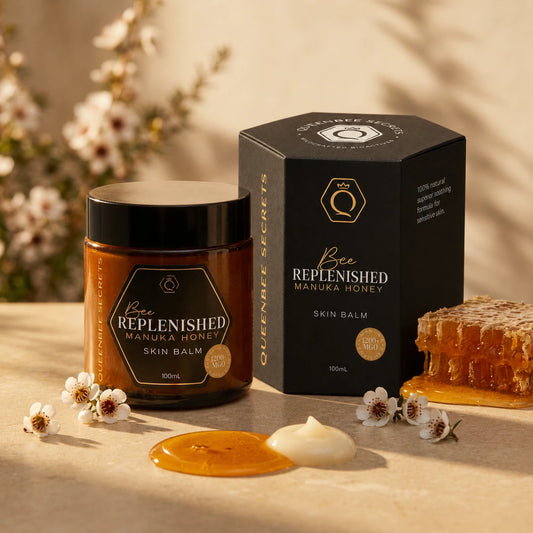
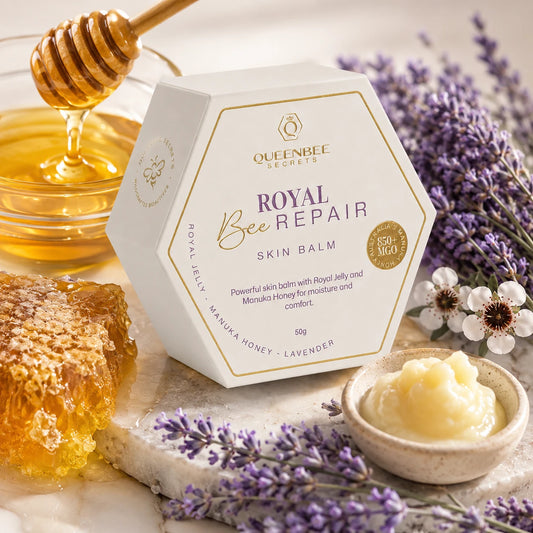
Mānuka honey has found a natural home in clean skincare. Honey is a natural humectant, which means it draws moisture towards the skin, and that’s why it feels so comforting in masks, cleansers and moisturisers. It’s a simple, plant-led ingredient with a story, and a little goes a long way.

If you’re new to it, a mānuka honey face mask is an easy place to start, and our guide to choosing mānuka honey skincare walks you through what to look for. Pair it with mānuka oil, made from the leaves, for a fresh, herbal alternative.

Frequently Asked Questions

Where is mānuka honey from?

Authentic mānuka honey comes exclusively from the nectar of New Zealand’s native mānuka tree. Australia has related Leptospermum plants that produce a different honey, often called “jelly bush”.

Is mānuka honey good for you?

It’s still honey, which means it’s a natural sweetener best enjoyed in small amounts. People love it for its flavour and its unique compounds.

Why is mānuka honey so expensive?

Mānuka flowers for only a few weeks each year, hives are often placed in remote bush, and each batch is tested and graded. That’s a lot of effort for a small harvest.

What do MGO and UMF mean on the label?

MGO is the amount of methylglyoxal in the honey, measured in mg/kg. UMF™ is an independent certification that also tests for authenticity, so it tells you more than MGO alone.

Does mānuka honey expire?

Honey keeps very well, but jars carry a best-before date as a guide to quality. If it crystallises, that’s natural, and you can stand the jar in warm water to soften it.

How do I store mānuka honey?

Keep it in a cool cupboard with the lid tightly closed. There’s no need to refrigerate it.

Can I use mānuka honey on my face?

Many people do, in masks, balms and moisturisers. Patch test a small area first, and avoid it if you’re allergic to bee products.

Can babies have mānuka honey?

No. Honey, including mānuka honey, isn’t recommended for babies under 12 months.