Different Types of Facial Cleansers Explained

When you think about skincare, your mind might jump directly towards some high-potency serums or rich moisturisers. However, the key to achieving a glowing and healthy-looking skin actually starts at the beginning: cleansing.
Cleansing is the most important step in your overall skincare regimen. Without clean skin, nutrients from those botanical oils and moisturisers simply can’t work properly. When it comes to organic or non-toxic beauty, cleansing is more than just washing your face; it's an essential component of a daily ritual for removing dirt, excess sebum, and environmental toxins from the skin, which protects the natural barrier of the skin. In this guide, we will explore various types of cleansers to help you find the best one for your unique skin type.
Understanding the Different Types of Cleansers
There are many cleansers available that can help with a wide variety of personal care needs. It is a product specifically made to remove dirt, sweat, sebum, and makeup from the skin's surface. Unlike traditional products that use harsh detergents, modern cleansers are formulated using sophisticated ingredients that help prepare your skin for the rest of your routine.
Formulation
The real magic of cleansers lies in their formulation. Most cleansers contain surfactant compounds, which are molecules that attract both water and oil. The surfactant is composed of two ends; one end binds to the dirt and/or oil on your face, and the other end binds to the water to enable the removal of the dirt and/or oil. We prefer plant-based formulas, which are biodegradable and cruelty-free.
The pH Factor
Our skin has a very thin protective layer called the acid mantle, which helps to protect it from outside bacteria and maintains a healthy, balanced skin microbiome. The average pH level of the acid mantle is 5.5; therefore, pH-balanced cleansers are necessary to maintain the integrity of a microbiome-friendly environment intact. If a cleanser is too alkaline, it can strip away the protective fats that make up the acid mantle, resulting in dry, irritated, and/or breakout skin.
Beyond Soap: Traditional vs. Modern Formulas
Bar soap for cleaning your skin has been the common form of facial cleansing for a long time; however, most traditional bar soaps contain high alkaline and irritating salts. This has the effect of making you feel clean (or squeaky clean), but it indicates that your skin is also severely dry. Modern formulations rely on skin-safe, liquid cleansers created to remove dirt and oil without disturbing your moisture barrier. Eco-conscious and made with natural ingredients, they nourish your skin instead of stripping it away.
Exploring the Types of Cleansers
To achieve the "glowing skin", you must ensure that you are selecting a pleasant texture or delivery method. Here are the different types of cleansers available in the sustainable skincare market:
- Gel Cleanser: These have a jelly-like consistency and work wonderfully in removing dirt, oil, and makeup from the skin while gently cleansing the pores. Most gel cleansers are clear with very little colour in them, which provides a cool, refreshing feel when rinsed off.
- Oil Cleanser: An oil-based cleanser breaks down oily products, including sunscreen and waterproof makeup, easily because of an interesting fact: "oil dissolves oil." Therefore, using an oil-based cleanser will save you from having to scrub your skin clean.
- Cream Cleanser: Cream cleansers have a creamy, lotion-like thickness and are formulated with many emollients. Cream cleansers generally do not foam, making them a nice choice for dry or mature skin types.
- Foam Cleanser: Initially, foam cleansers are liquid or cream; then they develop into a foamy consistency as they are lathered by the hand or with the addition of water. Organic foam cleansers use gentle surfactants from coconuts to create their foam.
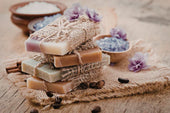
- Handmade Soaps: A natural handmade soap created through the cold-process method typically contains a considerable amount of glycerin and provides numerous nutrients to the skin, making it an environmentally sustainable skincare option for both the face and body.
Matching Your Cleanser to Your Skin Type
Choosing from many different types of cleansers for skin types can be stressful. There are many types of cleansers for dry skin, oily skin, and everything in between.
Types of Cleansers for Oily Skin
Those with oily skin tend to have extra shine and larger pores; they need a gentle natural face cleanser that helps reduce excessive oils without over-drying their skin. Gel and foam cleansers are often the best types of cleansers for oily skin. Ingredient examples such as tea tree and willow bark extracts maintain clear and balanced skin while still being effective in controlling oil.
Deep Cleansing Gel with Aloe Vera & Witch Hazel

Types of Cleansers for Dry Skin
Dry skin requires additional moisture throughout the entire cleansing process. The best types of cleansers for dry skin are cream-based and milk cleansers. Cleansers that produce excessive amounts of lather may dry out your skin, resulting in flaky, dry patches after cleansing.
Black Raspberry Crème Cleanser – Pore Minimizing & Tone Balancing

Types of Cleansers for Sensitive Skin
Sensitive skin requires a "less is more" approach. All types of cleansers for sensitive skin should:
- Have no scent,
- Not irritate the skin,
- Include calming plant extracts (chamomile or aloe).
You should look for a gentle face wash so that your skin won't turn red or feel itchy after washing.
Jasmine Oil Cleanser for Sensitive Skin

Normal & Combination Skin
Normal Skin
For normal skin, the skin barrier is already healthy, and you need to maintain it by avoiding excessive oiliness or dryness. Therefore, if you have normal skin, use a pH-balanced, gentle foaming cleanser or light gel as a gentle way to cleanse your face.
Combination Skin
People who have oily T-Zone and dry cheeks are considered to be “combination (skin).” You can use a foaming facial wash or try using “Multi-cleansing”; gel on the forehead and nose, and cream cleansers on the cheeks.
How to Use Cleanser: The Correct Way
Knowing how to use a cleanser properly is just as important as the product itself. Follow these steps for the best results:
The Prep: Lukewarm Water
Use lukewarm water; using hot water can break capillaries, leaving your skin dry, while cold water is less effective in breaking up oils.
The Technique: Gentle Motion
For every amount of cleanser applied to your skin, apply it in a gentle upward (circular) motion. Massage the cleanser into your skin for at least 1 minute to give the ingredients time to work. Don’t forget to cleanse your jawline and the edges of your hairline! Rinse your face thoroughly.
Frequency: Morning vs. Evening
Most people should cleanse twice a day.
- Morning: Use a gentle cleanser to wash away overnight sweat and oil.
- Evening: In the evening, take your time-out for your evening skincare routine. This is where "double-cleansing" becomes so important. To begin, you should use an oil-based cleanser to break down your makeup and any residue from the sunscreen you wore throughout the day, followed by a water-based cleanser (gel or cream) for a more thorough cleansing process. This will keep your skin in tip-top shape for applying serums throughout the night.
Conclusion: Your Gateway to Glowing Skin
Whether you prefer a natural handmade soap or a high-tech pH-balanced liquid cleanser, the goal remains the same: a clean, happy microbiome.
Final Tip: Your skin is most absorbent right after washing. To truly lock in that healthy glow, always follow up with a natural face moisturiser or hydrating facial serum immediately after cleansing to seal in hydration and protect your skin barrier. Your journey to glowing skin will start with the right pour, pump, or bar.
Interesting Read: The Skin Microbiome: Your Invisible Skin Barrier